
Industry Insights
Chinese 16m-Class TBM "Jianghai" Completes Record Yangtze River Crossing
Introduction
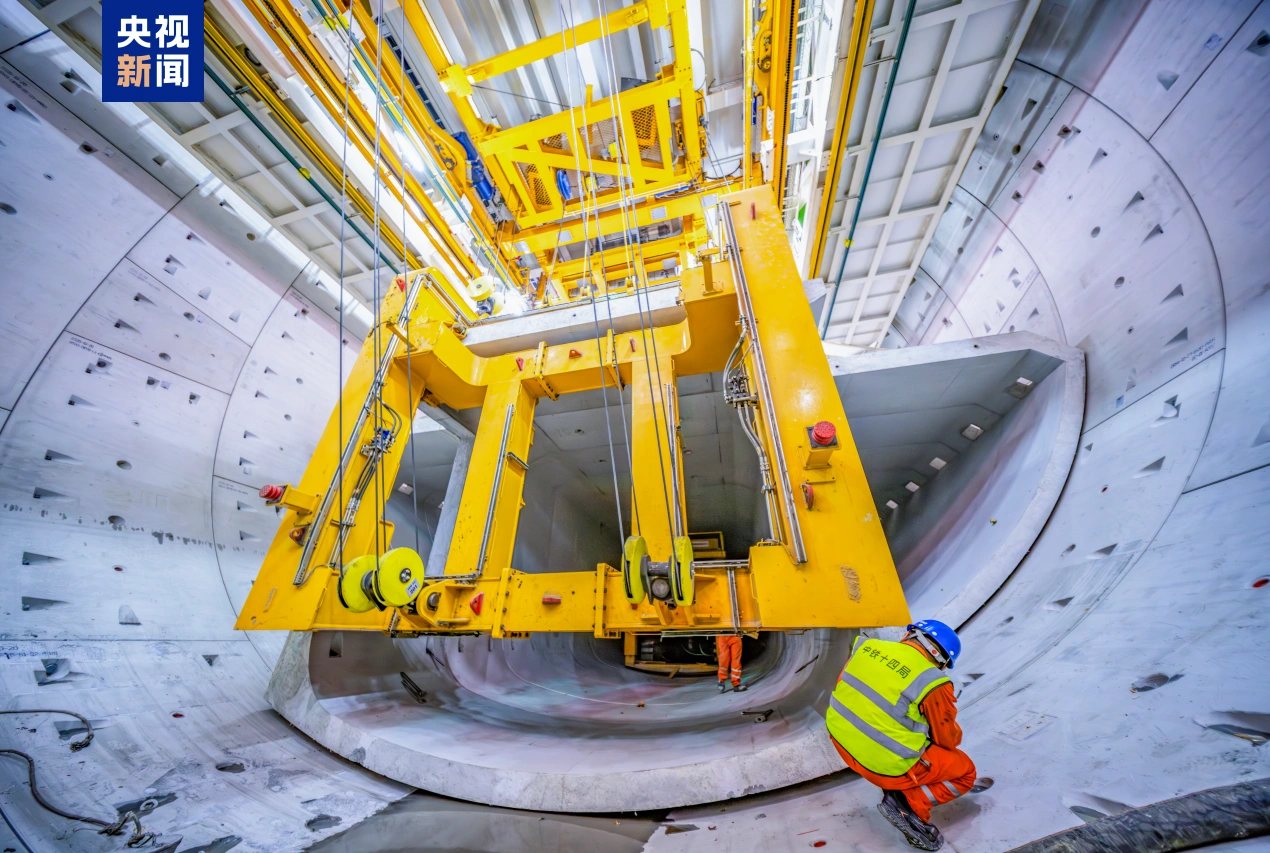
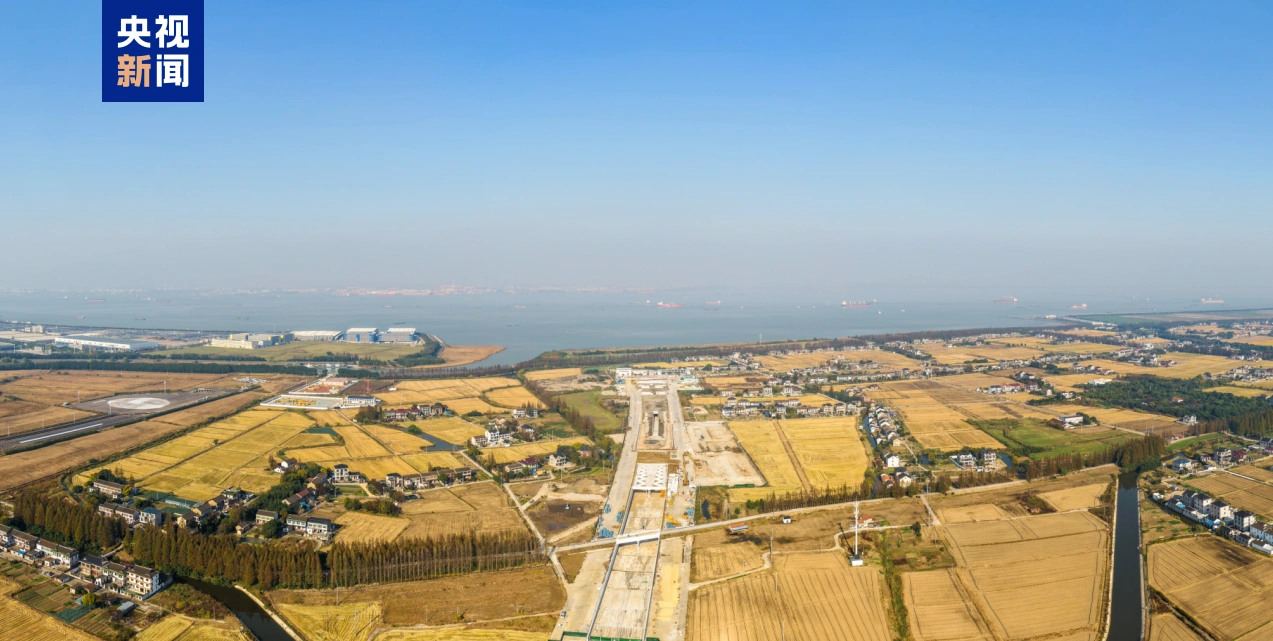
On November 26, 2026, the Chinese-built 16-meter-class super-large-diameter tunnel boring machine (TBM) "Jianghai" completed its 7.46-kilometer drive beneath the Yangtze River and broke through the southern embankment at Taicang, Jiangsu Province. This milestone marks the successful river crossing of the right tube of the Haitai Yangtze River Tunnel, the world's longest underwater highway shield tunnel. The event provides a valuable case study for engineers and project planners interested in the capabilities and challenges of domestic super-large TBMs under extreme geological and hydrological conditions.
Project Overview and Technical Scope
The Haitai Yangtze River Tunnel is a 39.07-kilometer highway project connecting Haimen in Nantong to Taicang in Suzhou. The river-crossing section is 11.185 kilometers long and is constructed using a combination of cut-and-cover and shield tunneling methods. The shield tunnel has an outer diameter of 16 meters, making it the largest-diameter tunnel currently under construction across the Yangtze River. The right tube's shield-driven section is 9,315 meters long and was excavated by the "Jianghai" TBM, which has a maximum excavation diameter of 16.64 meters.
The project is a key component of China's national plan for Yangtze River crossings and the Jiangsu provincial integrated transportation corridor development. Once completed, it is expected to significantly reduce travel time between Nantong, southern Jiangsu, and Shanghai, supporting the region's one-hour economic circle and the broader Yangtze River Delta integration strategy.
The "Jianghai" TBM: Engineering Challenges and Performance
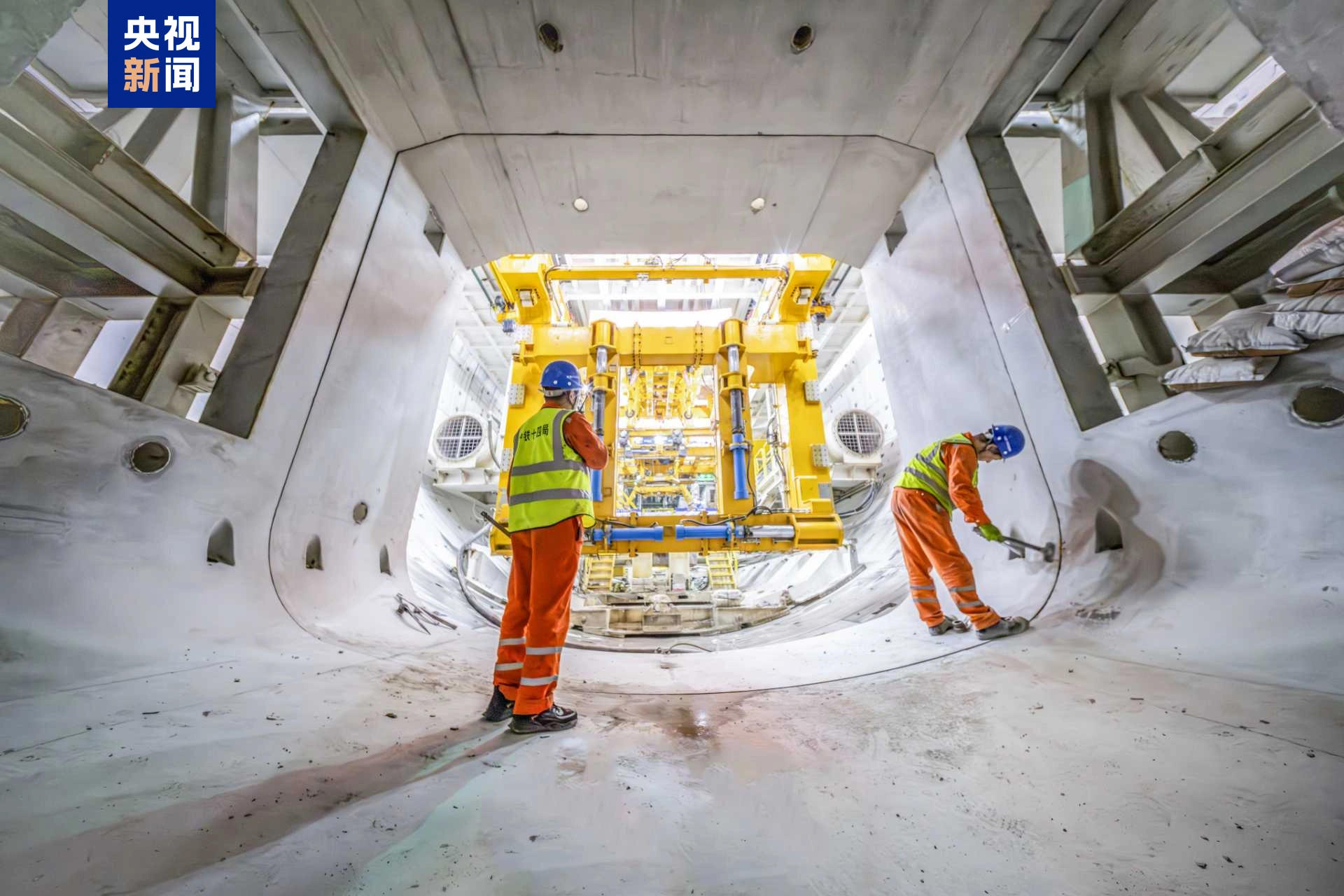
The "Jianghai" TBM began excavation from the northern bank in April 2025 and entered the river section in September 2025. It reached its lowest point—75 meters below the riverbed—in May 2026 and finally exited the river section in November 2026, completing the underwater drive in approximately 14 months. The machine averaged 20 meters per day during the river crossing, setting a new record for continuous underwater tunneling of 7.46 kilometers and a maximum monthly advance of 664 meters.
The drive was executed in three distinct phases: a steady descent into the river, a long downhill segment to the lowest point, and an ascending climb out of the river section. Each phase presented unique challenges related to the machine's attitude control, thrust, and cutterhead performance under high water pressure and varying ground conditions. The project faced a combination of ultra-long distance, super-large diameter, high hydrostatic pressure, large overburden, and complex strata—factors that compound the difficulty of shield tunneling.
Geological and Operational Difficulties
While the specific geological profile of the Haitai tunnel is not detailed in available sources, similar super-large-diameter river crossings in the Yangtze basin typically encounter soft alluvial deposits, sand layers, and mixed-face conditions. These conditions demand robust cutterhead design, effective face support, and reliable slurry or earth-pressure balance systems. The successful completion of the river section demonstrates that the domestic 16-meter-class TBM and its associated construction techniques have been validated under real-world conditions.
The achievement also highlights the importance of continuous monitoring, precise steering, and maintenance of the TBM's main drive and seal systems over long distances. High water pressure at depth increases the risk of ingress and wear, requiring stringent quality control in segment production and assembly. The record monthly advance of 664 meters suggests that the project team achieved a high degree of operational efficiency, likely through optimized cutter changes, logistics, and shift management.
Implications for Future Projects
The success of the "Jianghai" TBM provides several takeaways for the tunneling industry. First, it confirms that Chinese manufacturers can deliver reliable super-large-diameter TBMs for demanding river crossings, reducing dependence on imported equipment. Second, the project demonstrates the feasibility of long-distance underwater drives with appropriate machine design and operational planning. Third, the data generated during the drive—such as advance rates, wear patterns, and maintenance intervals—can inform future projects in similar geological settings.
For international readers, the case is relevant to infrastructure planners evaluating shield tunneling for large river crossings. However, it is important to note that local geological, hydrological, and regulatory conditions vary widely, and equipment specifications must be tailored accordingly. The Haitai project's outcomes are specific to its context and should not be generalized without site-specific assessment.
Conclusion
The "Jianghai" TBM's successful crossing of the Yangtze River represents a significant technical milestone in super-large-diameter shield tunneling. It underscores the growing capabilities of domestic equipment and the importance of integrated engineering planning in overcoming extreme conditions. As the Haitai Yangtze River Tunnel moves toward completion, the lessons learned will contribute to the global knowledge base for underwater tunnel construction.
Sources and References
Frequently Asked Questions
What is the significance of the "Jianghai" TBM's river crossing?
It validates the performance of domestic 16-meter-class TBMs under ultra-long, high-pressure, and complex conditions, setting new records for continuous underwater tunneling and monthly advance.
How does the Haitai tunnel compare to other underwater tunnels?
At 11.185 kilometers for the river-crossing section and a 16-meter shield diameter, it is the world's longest underwater highway shield tunnel and the largest-diameter tunnel across the Yangtze River.
What were the main challenges during the drive?
The project faced ultra-long distance, super-large diameter, high water pressure, large overburden, and complex strata, requiring precise machine control and robust maintenance.
Can this technology be applied to other river crossings?
Yes, but each project must be evaluated based on local geology, hydrology, and regulatory requirements; the Haitai experience offers valuable reference data but cannot be directly replicated without site-specific engineering.

- From Product Export to Solution Export: How Chinese Energy Equipment Makers Are Building Global Service Systems
- Beyond the Machine: How System-Level Delivery Is Reshaping Chinese Energy Equipment Exports
- Domestic Cryogenic Expanders: New Configurations and Buyer Verification Points
- Why Global Automakers Must Stay in China to Compete Worldwide